BMX Racing
Ready to Race?
Whether it’s your first club race or you’re heading to a Regional, National or the Brits, BMX racing is open to riders of all ages and abilities.
This page explains the different types of racing, what equipment you’ll need and the important things to check before race day.
British Cycling Membership & Race Licences
Firstly, If you're planning to take part in BMX racing, it's important to understand the difference between British Cycling membership and a racing licence.
British Cycling Membership
To obtain a British Cycling racing licence, riders must first have a paid Core or Premium membership. For children under 12, Core membership currently costs £21 per year.
Provisional Racing Licence
A provisional racing licence is available free with British Cycling membership. This allows riders to compete in most club and regional BMX races, but riders cannot earn regional or national ranking points when racing on a provisional licence.
Full Racing Licence
A full racing licence allows riders to earn ranking points and compete in BMX National Series events. It is also required for international racing, along with the relevant permissions.
The good news is that full racing licences are FREE for all riders under 16, provided they have the required British Cycling membership.
This means that for a child under 12, a full racing licence costs no more than a provisional licence!
Our Recommendation
If your child is planning to race regularly, particularly at regional events, we recommend obtaining a full racing licence. For under-16s, there's no additional licence charge, and it ensures they are eligible to earn ranking points.
Important: A full racing licence is not necessarily issued automatically when joining British Cycling. Parents should check their child's membership account and make sure the correct licence has been added.
-
The perfect place to start.
Club races are friendly, relaxed events held at BMX clubs throughout the year. They’re a great way to experience racing for the first time, practise race skills and have fun with other riders.
You don’t need to be an expert — if you can safely ride the track, you can start racing.
Great for:
First-time racers • Beginners • Experienced riders • Families -
Regional Series races bring riders together from clubs across your region. You’ll race riders of a similar age and category across a series of events at different BMX tracks.
Regional racing is a brilliant way to experience new tracks, meet riders from other clubs and start progressing towards National-level competition.
Race requirements can vary between regions, so always check the event information before travelling.
-
The British BMX National Series brings together some of the best BMX racers from across the country.
National weekends normally include racing over two days, with riders competing within their age or championship category.
National racing has stricter requirements for race numbers, number plates, side plates and transponders, so make sure your bike is fully race-ready before arriving.
For the 2026 National Series, British Cycling states that riders must use the correct National Series plate number and that side plates are mandatory. Numbers stuck directly onto the frame are not permitted.
-
The British BMX Championships — usually known simply as The Brits — are one of the biggest weekends in the UK BMX calendar.
Riders from across the country compete to become British Champion in their category.
Qualification requirements apply, so riders normally need to qualify through their Regional Series before entering. Currently at least 5 rounds need to be completed.
It’s a fantastic weekend of racing and a great goal for riders progressing through the sport.
-
Your race plate is an important part of your BMX race setup. It helps race officials identify you on track and displays the number you are racing under.
The requirements are slightly different depending on whether you're racing at Club, Regional or National level.
-
Yes. If you're taking part in a Hawks club race, you'll need a number displayed clearly on the front of your bike.
For club racing, there's no need to rush out and buy an expensive custom plate. A simple temporary plate is absolutely fine when you're getting started, provided your number is large, clear and easy for the race team to read.
Once you start competing at Regional or National events, you'll need to make sure your plate meets the requirements for that level of racing.
-
This depends on where you're racing.
For your first Regional or National races, your race number will normally be based on the last three digits of your British Cycling membership number.
For example:
British Cycling number: 8374213
Race number: 213After completing a qualifying series and earning a ranking, you may then be entitled to race using your ranking number for the following season which is based from age 9 and above.
For Hawks club racing, things are much more relaxed. You can usually choose a number, provided it doesn't clash with another rider in your race category.
Not sure which number to use? Just ask one of the Hawks team before racing and we'll help you get it sorted.
-
For a Hawks club race, a clearly visible front plate is normally all you'll need.
When you progress to higher-level racing, additional identification is required. Regional and National events can require side plates as well as your main front plate.
Side plates make it easier for race officials to identify riders when they're viewed from the side or crossing the finish line.
Always check the regulations for the particular series you're entering, as requirements can change.
-
Think of them as doing two different jobs:
Race plates allow officials to visually identify you and your race number.
Transponder electronically detects your bike as you cross the timing loops and finish line.
Before travelling to a Regional or National race, make sure your transponder is correctly registered, fitted to your bike and has an active subscription.
-
If you're new to BMX racing and aren't sure what plate, number, side plates or transponder you need, speak to one of the Hawks team or Contact Us
We'll help make sure you're race ready before you head to the start gate.
What race plates do i need?
REGIONAL RACE PLATES
For regional racing, your plate must display your correct race number and use the correct plate colour for your category
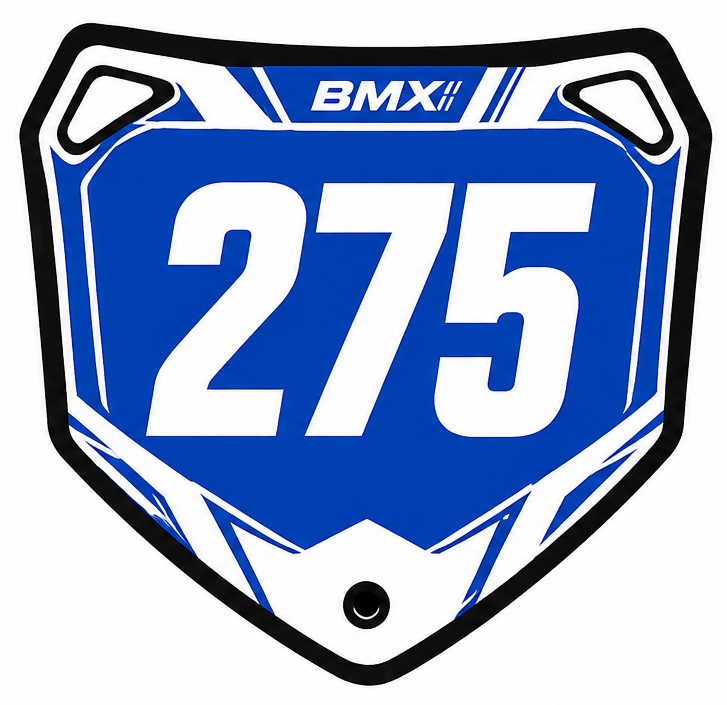
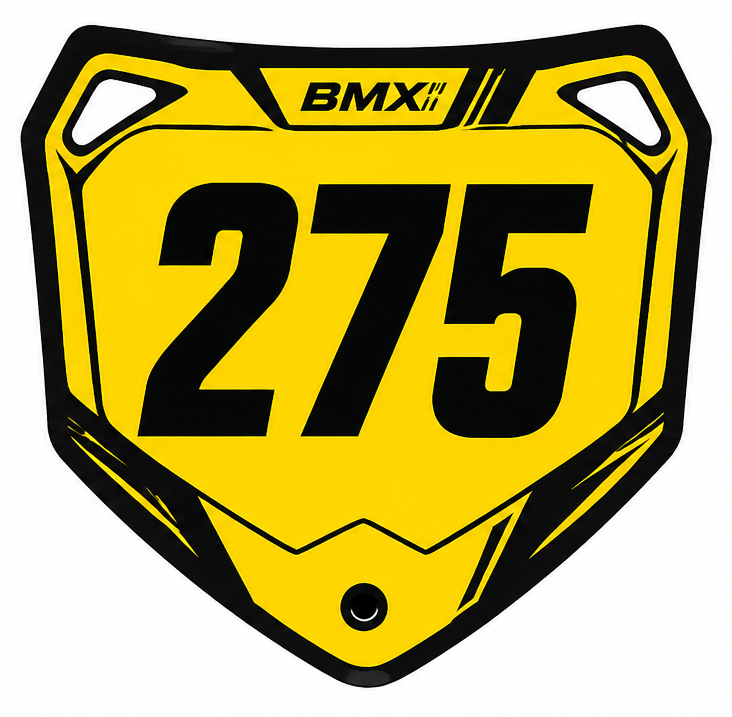
Girls & Women
Boys & Men
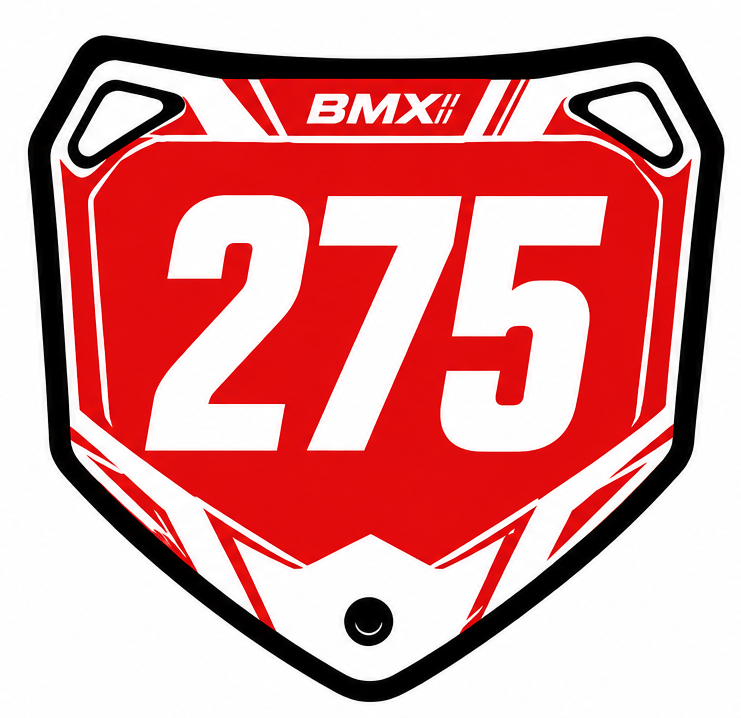
Cruisers
NATIONAL RACE PLATES
National plates follow the same category colours, but must also display the rider’s race age/category
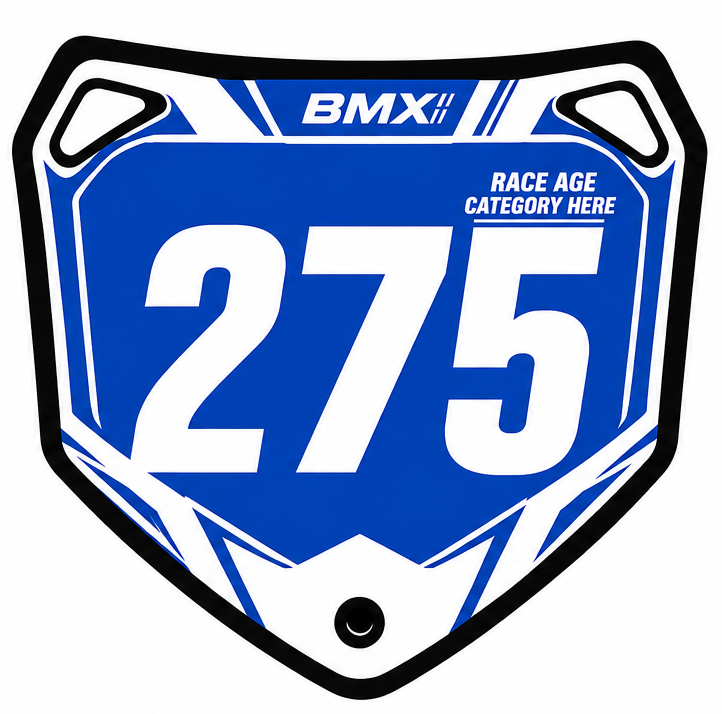
Girls & Women
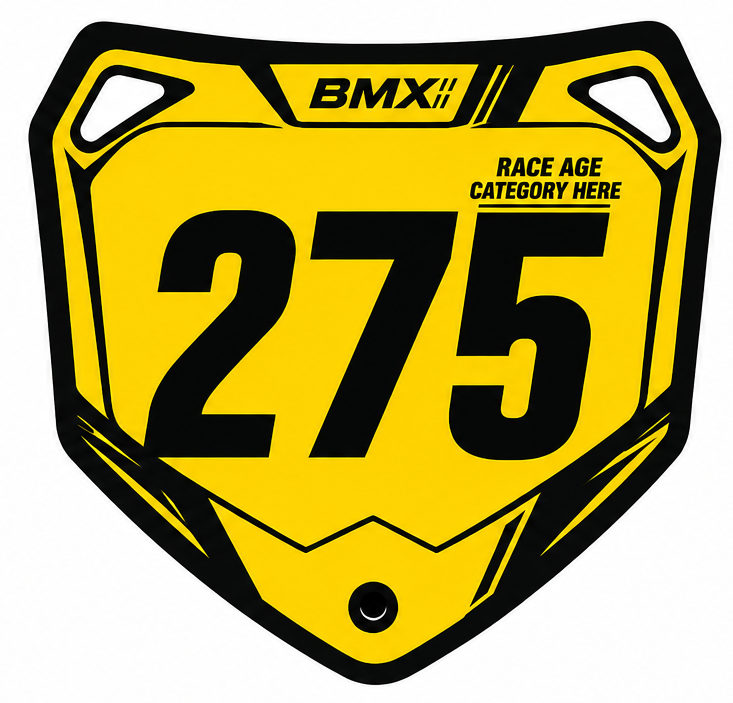
Boys & Men
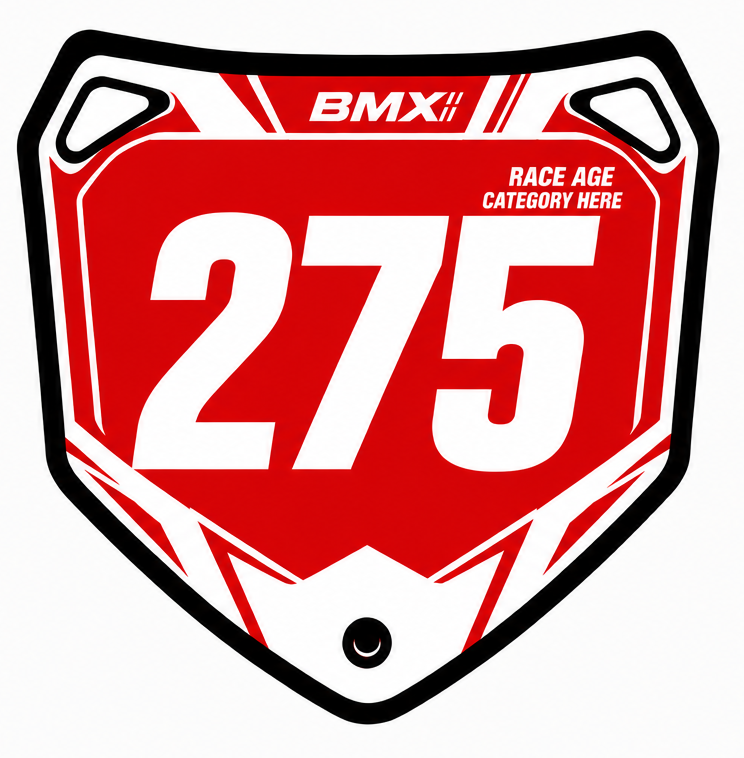
Cruisers
-
Although Regional and National BMX race plates look similar, there are a few important differences in what needs to be displayed.
Regional Racing
For Regional racing, your plate must clearly display your correct race number and use the correct plate colour for your category.New riders will normally use a number based on their British Cycling membership number, while riders who have earned a Regional ranking may be entitled to use their Regional ranking number.
National Racing
National racing has some additional requirements. As well as displaying your correct National Series race number which only applies after your first year of national racing and at age 9 or above, your plate must also clearly show your race age category. First year riders can use their normal regional race number which is the last 3 digits of your british cycling membership.Your race age is the age category you are racing in for that BMX season — not necessarily your age on the day of the race.
For example, a rider competing in the Girls 8 category would display their National race number along with their race age/category identification on the plate.
National riders must also make sure their front plate, side plate(s) and transponder setup meet the current British Cycling National Series requirements.
Making Your Plate Your Own
For both Regional and National plates, you can personalise the design around the required race information.
Adding your name to the plate is optional, and the graphics, patterns and overall design surrounding your race numbers are also down to personal choice and are not mandatory.
You can keep your plate simple or create something that matches your bike, race kit or club colours — the important part is that the required race number, plate colours and any required category information remain clear, correctly displayed and easy to read.
Important: Regional and National rankings are separate, so always check which race number and, for Nationals, which race age/category you should display before ordering your plate.
WHAT ELSE DO I NEED?
BMX Side Plates
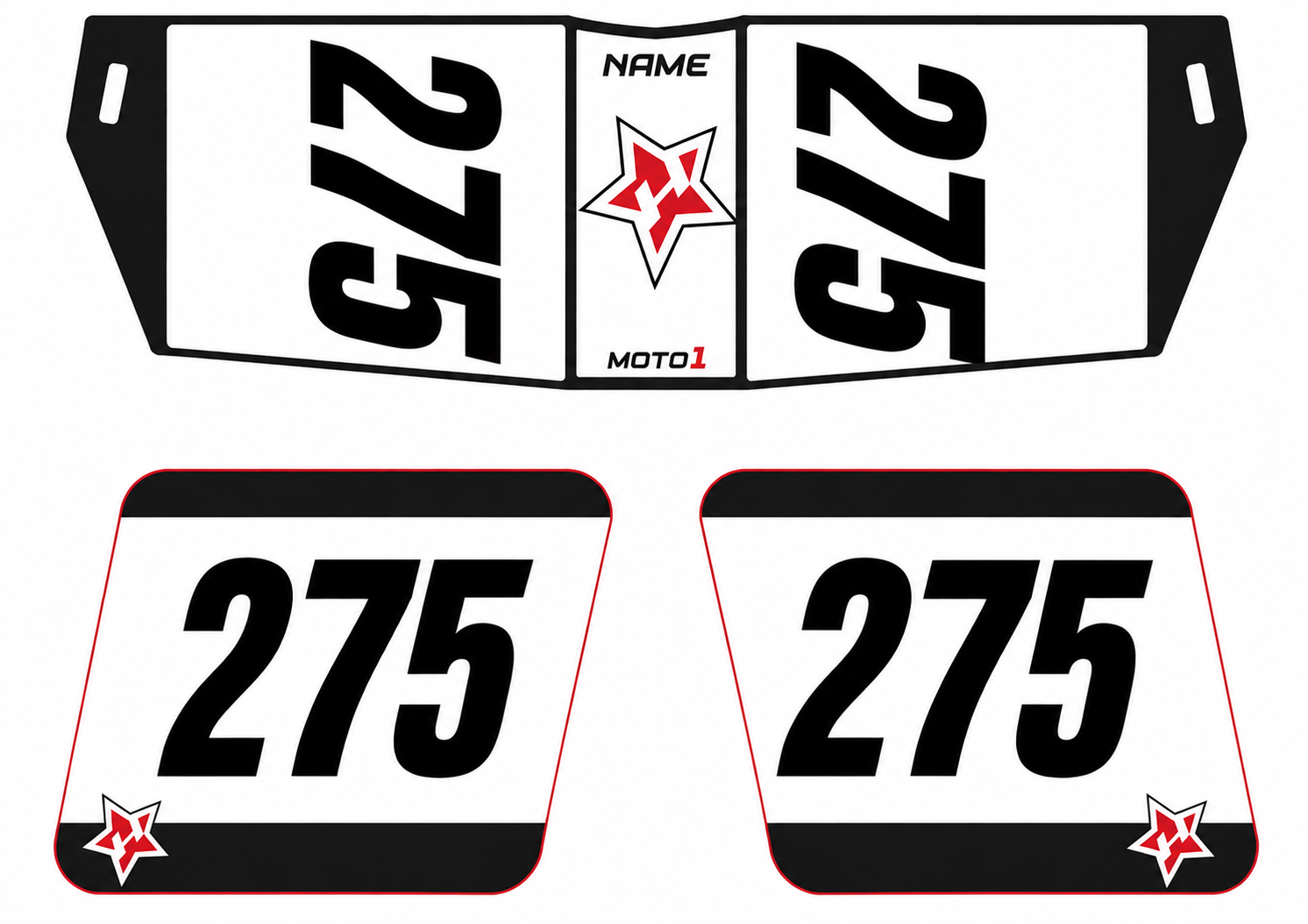
Side plates are used at Regional and National BMX races to make your race number clearly visible from both sides of the bike.
Do I Need Side Plates?
For club racing, a front race plate is generally all you need.
For Regional and National racing, you will need side plates displaying your race number.
What Number Goes on My Side Plates?
Your side plates should show the same race number as your front plate.
For example, if your front race plate displays 275, your side plates should also display 275.
BMX Transponders
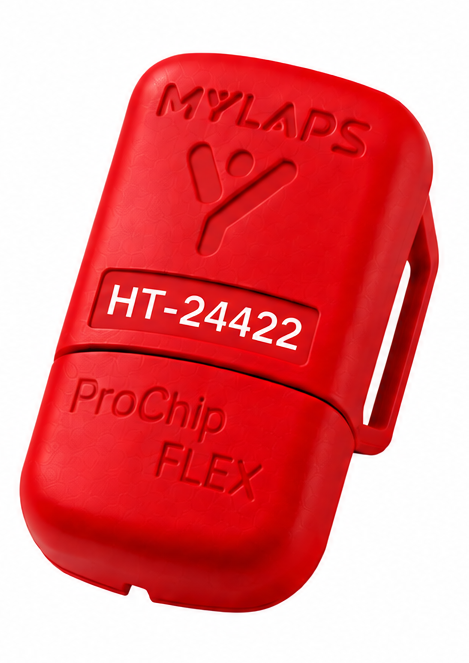
A transponder is a small electronic timing device fitted to your BMX bike. It records your lap times and helps the race timing system identify you as you cross the timing loops around the track.
When Do I Need a Transponder?
Club Racing: You generally don't need a transponder.
London BMX Series – Novice Riders: A transponder is NOT required. Novice riders must check in at the registration desk on race day.
London BMX Series – Expert Riders: A working MYLAPS ProChip FLEX transponder is required. Riders are normally checked in automatically when completing their practice laps.
Regional & National Racing: Expert riders generally require a compatible MYLAPS ProChip FLEX transponder registered to them.
How Does It Work?
Each transponder has its own unique identification number, which is linked to your rider details. This allows the timing system to identify you when you cross the timing loops.
Race Day Registration – Important!
Entering a race online does NOT mean you have checked in on race day!
When you arrive at the track, you must complete the event's check-in procedure before registration closes.
For London Series events:
Novice Riders: Visit the registration desk with your bike, race plate and number. Check in with the race officials before going out for practice.
Expert Riders: Check-in is normally completed automatically through your transponder when you ride through the timing loops during practice.
All Riders: Check your registration status on Sqorz to make sure you've been marked as present.
Important: If you haven't checked in before registration closes, you may be removed from the race, even if you've already entered and paid online.
Always check the event information for the latest registration times and procedures.
Before You Race
If your race requires a transponder, make sure it is:
Active and has a valid subscription.
Registered to the correct rider.
Correctly fitted to your bike, at the bottom of the left-hand fork leg.
Working correctly before race day.
Remember: Having the correct race plates and entering online isn't enough. For chip-timed events, you'll also need a working, correctly registered transponder and must complete race-day check-in.